

Walk into almost any large enterprise today and look at how identity access is actually handled. You'll find a vault holding a few thousand secrets in organized chaos, an IGA pipeline granting standing privileges by birthright, and a quarterly access review trying to govern both. That is what most enterprises mean when they say they have PAM and IGA.
It was the right answer once. It barely held through cloud. It will not survive AI.
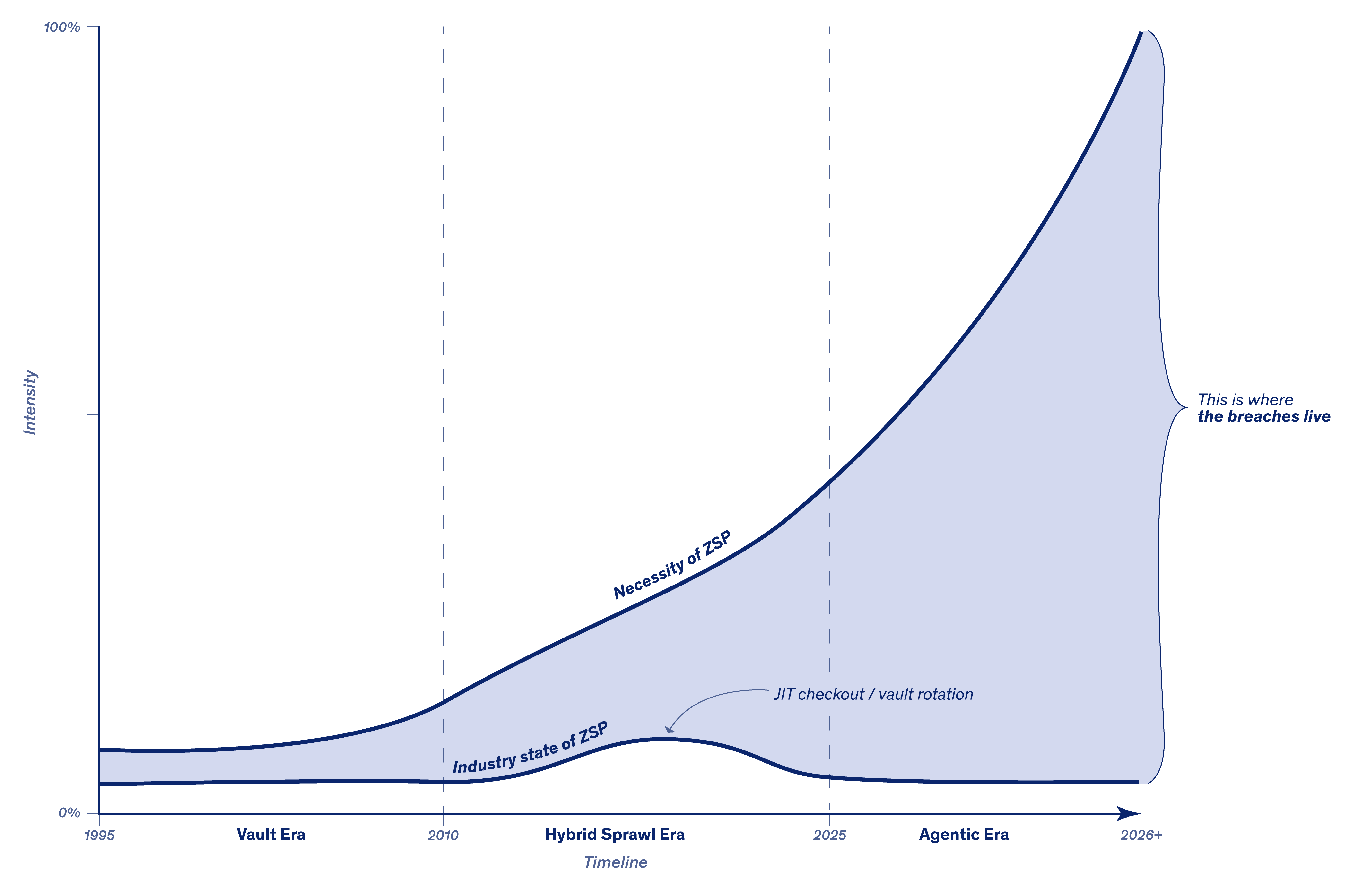
Privileged identity has lived through three different worlds in thirty years. A vault era, where the architecture matched the world. A hybrid sprawl era it silently missed. An agentic era now landing on top of both, the most pivotal moment of the three.
.png)
The Vault Era Made Sense
Through the late 1990s and 2000s, privileged identity was small and slow. A datacenter, a domain controller, a handful of root accounts and service accounts. A few dozen humans with elevated rights. Everything sat behind a perimeter, and the credentials worth protecting were countable on one whiteboard.
Vaults answered that world precisely. Encrypt the credential. Gate access. Rotate it. Record the session. The architecture matched the shape of the problem. CyberArk became a billion-dollar company off a real architectural fit.
The Hybrid Sprawl Era Broke It Quietly
Then the world moved. SaaS exploded. Workloads landed in AWS, Azure, GCP. CI/CD pipelines started cutting roles by themselves. Engineers got temporary credentials by command line. Third parties got scoped access. Identity stopped being a list and became a sprawl.
Vaults did not move with it. They onboarded the easy targets and quietly missed everything else. The AWS global admin role attached to an engineer's user never made it in. The Snowflake service account behind the analytics pipeline never made it in. Neither did the OAuth app a developer wired up in 2019 with elevated rights into the corporate tenant.
What did make it in is its own organized chaos. A thousand secrets behind a checkout flow, one engineer who can tell you what half of them are for, the other half listed by hostname or service-account name with no business context attached.
IGA was supposed to handle everything outside the vault. In practice, new joiners and new NHIs inherit standing privileges by birthright, from a manager or a team or the role they were cloned from. The standing access problem did not get solved. It got pushed one layer down and wrapped in a workflow.
The governance on top of all of this is a quarterly access review. A spreadsheet sent to app and infra owners asking if Bob still needs admin on the Oracle box. Most of it never comes back. The part that does is rubber-stamped, because chasing the rest is harder than re-approving. That is what governing a few thousand human-paced identities looks like, and it barely holds.
Late in the cycle a new category emerged: NHI discovery point solutions, built to inventory what the vault and IGA missed. They surface the identities. They do not actually provision them, scope them, or evaluate them in real time. That gap is going to matter much more in the next era.
This is the era producing almost every breach in the headlines.
The industry named the answer "Zero Standing Privilege." It has been on every roadmap for ten years. Almost nobody got there, because the architecture could not take them there.
The Agentic Era Won't Tolerate More Patches
The agentic era is starting now, and it is not a sprawl problem. It is speed and density.
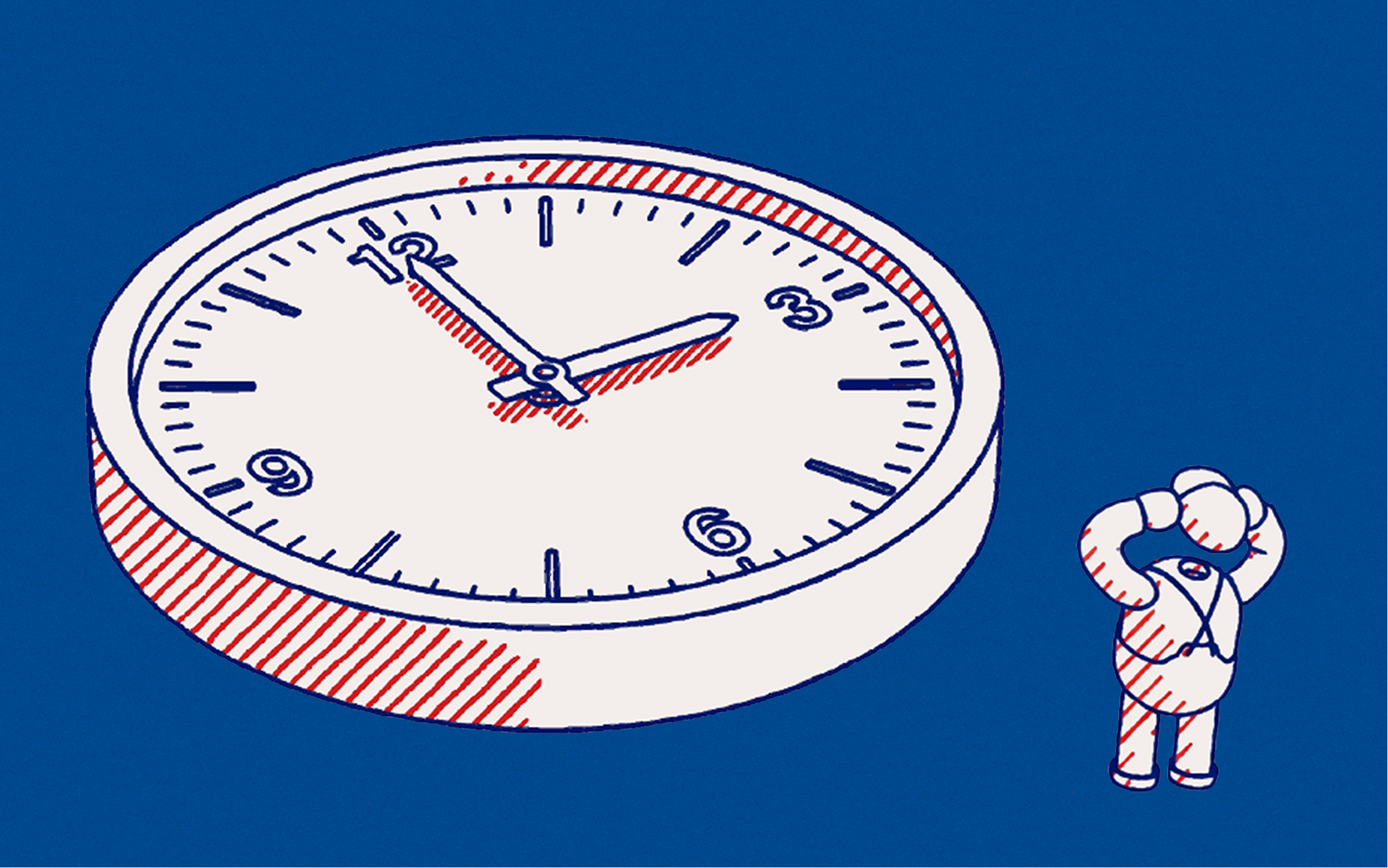
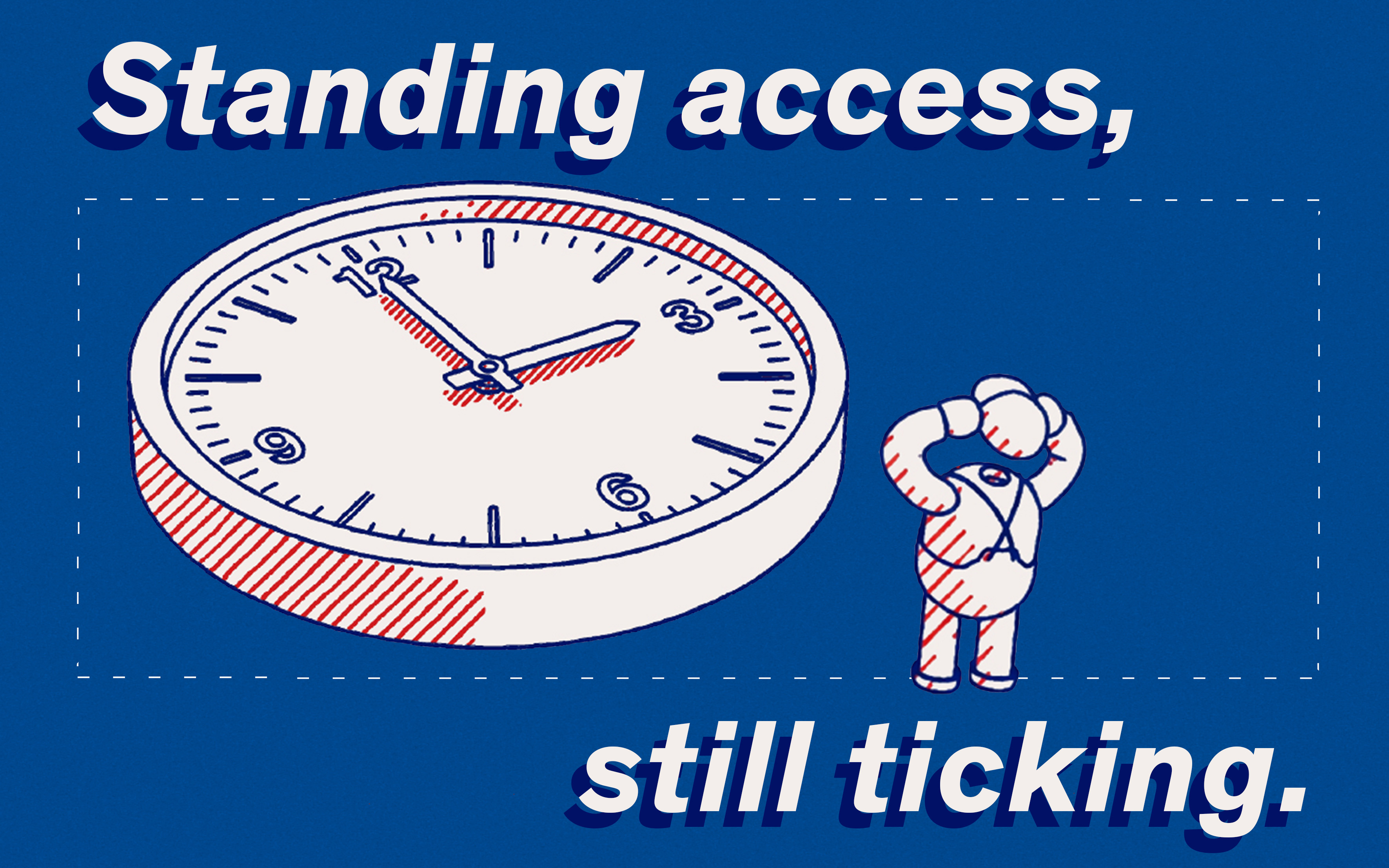
AI agents authenticate, act, and spawn at machine speed. They hand work off to each other. They run continuously. The default playbook today is to attach a standing role and walk away. That is the vault era's instinct applied to agentic-era actors. Every standing-privilege story ends the same way, only the timeline collapses to seconds.
Asking a vault to mediate an agent that needs scoped privilege in 200 milliseconds is the architectural punchline of the next 24 months. A checkout form for humans cannot mediate machine-speed identity. A quarterly review cannot govern a million identities turning over in milliseconds. The category that wins the agentic era is not the one that vaulted the vault era's credentials best.
The Architecture That Wins From Here
Each era is won by the architecture that matches its shape. The agentic era's shape is already set. Privilege has to be ephemeral, not stored. Created at the moment of need, scoped to the task, evaluated at runtime against context, revoked when the work is done. It has to apply to every actor (human, service, agent) through the same control plane. It has to be on-path so it can decide. Not off-path where all it can do is record.
That is what Zero Standing Privilege actually means now. Not "the role is checked out for an hour." The role does not exist between requests, for anyone, including the agent that needed it 50 milliseconds ago.
We Are in the Transition, Not Past It
The hybrid sprawl era is still running everywhere. The agentic era is already on top of it. Most enterprises are operating a vault built for the vault era, against a sprawl problem from the hybrid sprawl era, while the agentic era lands on top of both.
The agentic era's identity layer is being decided right now. A new category is forming around it, and most of what is being marketed as "AI agent security" today will look very different in 18 months. That is the subject of the next post in this series.
The vendors who understand the shift are building the fabric. The ones who don't are still polishing the vault.
Venice was built for exactly this purpose.
Want to see us in action? Book a demo right now
Frequently asked questions
Related articles




Privacy Preference Center
When you visit any website, it may store or retrieve information on your browser, mostly in the form of cookies. This information might be about you, your preferences or your device and is mostly used to make the site work as you expect it to. The information does not usually directly identify you, but it can give you a more personalized web experience. Because we respect your right to privacy, you can choose not to allow some types of cookies. Click on the different category headings to find out more and change our default settings. However, blocking some types of cookies may impact your experience of the site and the services we are able to offer. Learn more about cookie consent
Manage Consent Preferences
These cookies are essential for the website to function properly and cannot be disabled.
These cookies enable enhanced functionality and personalization, such as videos and live chat.
These cookies help us understand how visitors interact with our website by collecting anonymous information.
These cookies are used to track the effectiveness of our marketing campaigns.
We value your privacy
We use cookies to enhance your browsing experience, serve personalised ads or content, and analyse our traffic. By clicking "Accept All", you consent to our use of cookies.
